
If you keep reaching for a freshener because bad breath keeps returning, a clear description of the problem is more useful than trying a stronger flavour. This practical appointment checklist helps you organise what to tell your dentist. It is not a home diagnostic test.
Book the conversation, then prepare your notes
The American Dental Association’s bad-breath guidance recommends seeing a dentist when you are concerned about the cause. It identifies several possible contributors, including dry mouth, food and gum problems. A mint sensation cannot tell you which applies to you. Do not wait to complete a diary before arranging care.
Use a short, factual note
You can copy the following prompts into your phone. Record what you noticed rather than deciding what condition you have. Approximate dates are fine; the aim is to make the conversation easier, not to collect a perfect dataset.
- When it started: About when did you first notice the concern? Is it occasional or recurring?
- What you notice: Describe the odour concern, any persistent taste, dryness or gum symptoms in your own words.
- When you notice it: Is there an apparent pattern around meals, waking or another part of the day? Say when you are unsure.
- Your routine: List brushing, cleaning between teeth and any fresheners or rinses, using the actual product names.
- What has changed: Mention recent product changes and bring your current medication list. Do not stop prescribed medicines on your own.
Bring labels, not just brand names
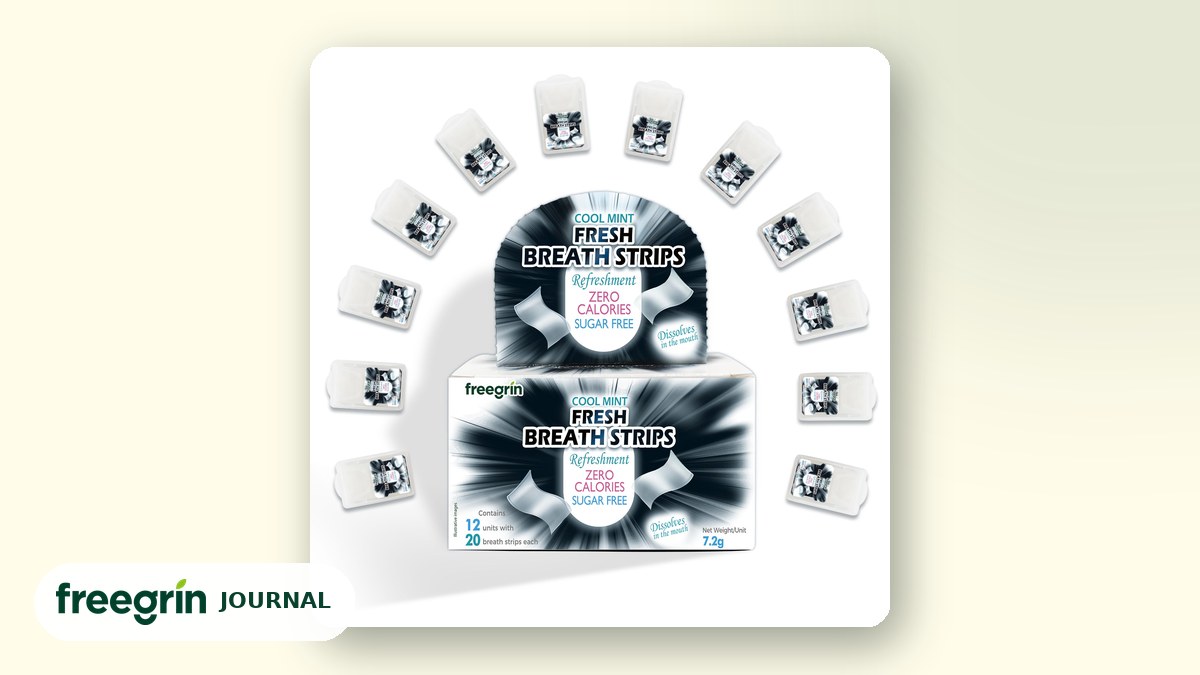
Take the packaging or clear photographs of its ingredient list and directions. A description such as “mint product” could mean a strip, rinse or something else. For example, Freegrin Mint Breath Strips are listed as a dissolvable strip format with 12 pocket packs of 20 strips per box. The dentist needs to know what you actually use and how, not just the box size.
Ask questions that lead to a plan
Useful questions include: What should be checked? Is there anything in my routine I should change? What signs mean I should contact you again? Ask the clinician to explain any follow-up rather than choosing a stronger freshener as the next step yourself.
The NHS gum-disease guidance advises a dental appointment for bleeding or painful, swollen gums and bad breath; very sore, swollen gums or loose teeth call for an urgent dental appointment. Describe these symptoms when contacting the practice.
Keep the product promise separate
Our cooling-versus-fresh-breath guide explains why a sensory duration claim is different from evidence about odour. A freshener is not a diagnosis or treatment for the underlying cause. Use your notes to get personalised advice, while following your product’s directions and your usual oral-care plan.